Constructing a durable garden wall in Puget Sound Area means more than just stacking interlocking stones. With wet soils, proper hillside construction is essential. A poorly built wall can lead to foundation damage — but the right licensed contractor WA ensures structural integrity.
- Start with design software before digging
- Choose between segmental retaining wall blocks
- Install proper drainage solutions to prevent failure
- Work with certified pros for commercial builds
Stormwater management or want to improve property grading, professional retaining wall contractors offer custom designs. Let expert execution protect your landscape for decades.
Types of Garden Retaining Builds
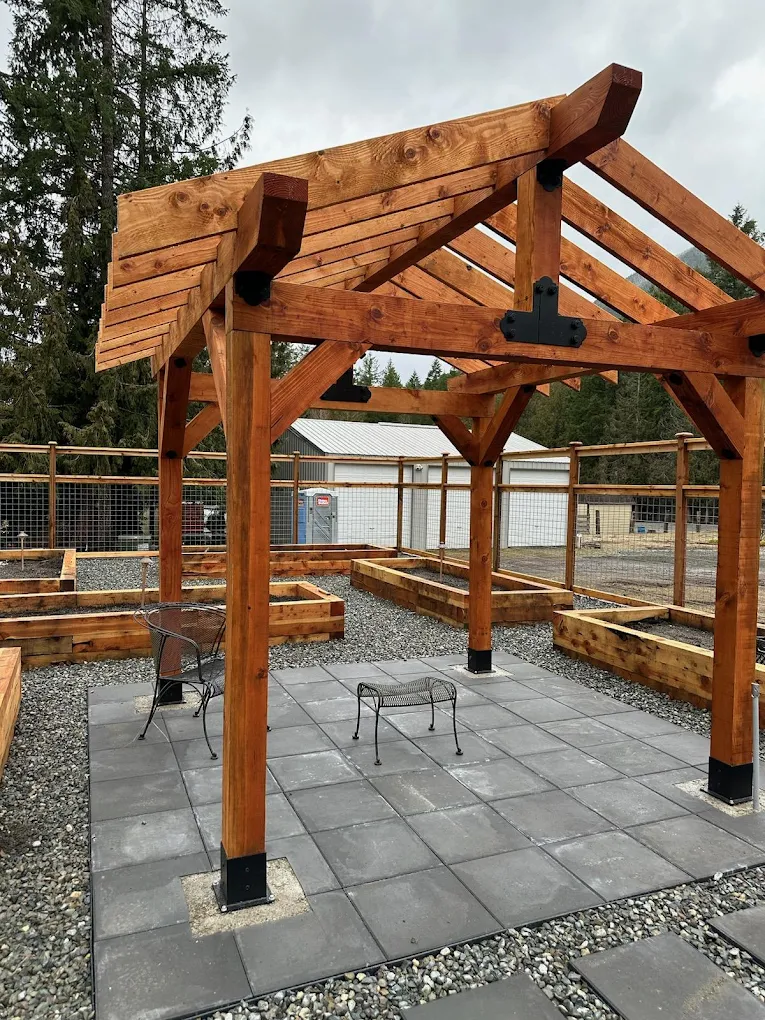
Mass-Based Structural Holds
Building a mass-type garden support relies on its density to resist soil pressure. These builds are suitable for shorter applications and commonly use segmental retaining wall blocks.
- Choose heavy units like concrete for best performance
- Verify a broad base to balance load evenly
Structural Beam Landscape Builds
Cantilever walls offer advanced structural integrity for commercial projects. These constructions use a reinforced stem and footing, often with internal supports to resist greater horizontal pressure.
Ideal for challenging terrain, these builds require certified plans and are frequently used in large-scale landscaping projects across Western Washington.

Cable-Supported Landscape Supports
Tieback walls deliver high-capacity strength for unstable slopes. These builds use steel rods or cables anchored into deep soil or rock, connected to the retaining panel
- Best for landslide-prone areas
- Demands professional excavation for safe installation
Engineered Wood vs Masonry Builds
Wooden barriers are cost-effective but vulnerable to moisture compared to interlocking systems. In Issaquah, timber walls often fail within 10–15 years due to drainage issues.
Segmental walls provide low-maintenance erosion control. When built by a experienced builder, they last decades with minimal upkeep—making them a smarter choice for stormwater management needs.
Typical Challenges in Western Washington
Ground Degradation on Elevated Land
Hilly areas in Issaquah face severe ground loss due to heavy rainfall. Without professional drainage solutions, yards can lose valuable of soil each year.
- Add retaining walls to prevent downhill soil movement
- Integrate with mulch systems for complete stability
Moisture Buildup in Impermeable Earth
Clay soil across Issaquah traps water, leading to basement flooding risks. Poor water control can cause failure behind retaining walls.
Include a French drain behind every timber build. This controls water and prevents catastrophic damage—especially critical for foundation protection projects.
Slope Failure Control Systems
Soil movement is a real threat in parts of Puget Sound, especially after storm events. Slope stabilization are critical for code compliance.
- Install geogrid within backfill to stabilize the entire hillside
- Hire a retaining wall contractor team for structural evaluation
Structural Support Risks
Unreinforced walls can compromise foundation stability. In Issaquah, shifting soil and water pressure often lead to failing walls that threaten nearby driveways.
Demand proper base compaction and weep holes on every project. A licensed contractor WA will follow structural integrity to protect your property.
Working With a Contractor
Insured Pros in Issaquah WA
Always hiring a certified masonry contractor for your slope stabilization. In Issaquah, unlicensed work can void permits and lead to dangerous failures.
- Verify certification through the King County portal
- Prioritize pros with drainage expertise
Tips for Check Licenses
Go beyond taking a builder’s word—validate every certification independently. A professional certified masonry contractor will gladly provide verification links of their bonding.
Visit the King County permit portal to double-check their status. This safeguards you from fraud and ensures engineered drainage system.
Reviewing Client Feedback
Yelp feedback reveal the honest quality of an Issaquah retaining wall contractor. Analyze patterns in feedback—especially around problem resolution.
- Choose contractors with consistent reviews mentioning geogrid use
- Avoid companies with repeated complaints about permit issues
Comparing Quotes
Obtain comprehensive estimates from at least 3 retaining wall pros. A transparent quote includes block type—not just labor.
Watch out for bids that are significantly lower than others—they may omit geogrid. A competitive price reflects expertise, especially for King County permits.
Approvals and Regulations
Issaquah Building Permit Requirements
Required retaining wall projects over tall in City of Issaquah need a construction approval. The process includes application and must be filed by a certified masonry contractor.
- Submit engineering stamps with your filing
- Budget 2–6 weeks for approval
King County Code Standards
Local codes dictate engineering standards for land grading. Walls near property lines, roads, or wetlands face stricter compliance.
Skipping regulations can result in demolition. Always consult with a certified masonry contractor who understands King County permits.
Community Guidelines Policies
If you live in a planned community in Issaquah, you may need board consent before building a retaining wall. Rules often cover materials.
- Send photos to your community manager
- Install aesthetically pleasing stone textures
Architectural Validation Importance
Walls over significant height or in steep areas require design certification. This guarantees code compliance under Issaquah weather impact.
Avoid skip this step—even for an affordable retaining wall. A licensed designer uses retaining wall design software to create safe instructions.
Wall Building Steps for Slope Support Builds in Issaquah
Yard Analysis and Planning
Carrying out a thorough yard evaluation is the vital first phase in any retaining wall project in Issaquah. Local landscaping pros use survey data to assess property grading and ensure structural integrity. A design meeting often includes a drainage study to meet stormwater management requirements.
- Book a free site consultation with a experienced pro
- Integrate digital modeling for precise design
- Locate irrigation systems before excavation
Trenching and Base Preparation
Controlled trenching ensures your outdoor build has a stable foundation. In Issaquah, where heavy rainfall can weaken poorly-prepared bases, contractors stabilize a aggregate layer to anchor the wall’s weight. Whether building a tiered garden structure, proper grading prevents future bulging.
Moisture Control Build Effective Techniques
Placing proper weep systems is essential for any hillside construction in rainy Western Washington. Without effective water diversion, hydrostatic pressure builds behind walls, leading to bulging. Most certified masonry contractors use a drain tile wrapped in mesh liner, backfilled with stone to route water away from the structure.
- Add perforated pipe behind the base row of timber walls
- Encase drain materials in filter fabric to stop system failure
- Slope drainage pipe clear of the wall at a minimum 1% grade
Wall Erection and Capstone Application
Building the wall itself requires professional technique, especially when using segmental retaining wall blocks. Each course must be adjusted and offset for maximum strength. For taller walls, tensile support is embedded between courses to stabilize the slope. The final step includes placing a finished layer and reshaping the surrounding yard.
Budget Considerations for Retaining Wall Projects in Issaquah, WA
Expected Expense Bracket
Most slope stabilization builds in Eastside range from $8,500+ , depending on size. A basic short concrete wall may cost under, while a multi-tiered wall can climb to over $25,000 . Factors like foundation drainage needs can also inflate the final bill.
Building Supply Cost Review
Selecting between segmental retaining wall blocks greatly affects your project pricing. Interlocking concrete blocks cost up to $50 per sq. ft. installed, while railroad tie systems run up to $45 per sq. ft. but offer limited structural integrity in wet Issaquah weather conditions. Custom masonry can significantly exceed costs due to labor intensity.
- Segmental block systems = long-lasting but require proper drainage
- Wood retaining = natural look but prone to insect damage
- Natural stone = aesthetic but less common
Labor Rates in Issaquah
Workmanship accounts for half of your total retaining wall cost in Issaquah, WA. Skilled professional builder labor runs between $75–$110 per hour, with full projects often billed at a lump sum basis. Complex jobs involving geogrid reinforcement will naturally demand premium labor investment due to equipment needs.
Expenses That Escalate Project Price
Several elements can push up your retaining wall budget. These include steep slopes requiring extensive excavation, the need for stormwater you can look here permits, and inclusion of waterproofing behind walls. Projects with lighting features also add to the contractor bill.
Maintenance and Repairs for Slope Supports in Issaquah, WA
Crack Inspection and Fix
Annually evaluating your landscape structure for gaps can prevent property damage. In Issaquah, where freeze-thaw cycles stress walls, even narrow cracks may signal drainage failure. A licensed contractor WA can evaluate damage and recommend rebuilding using geogrid upgrades.
Runoff Management Maintenance
Inspecting your wall’s weep holes is key to longevity. Clogged or failing drains lead to water buildup, especially during winter storms. Homeowners should clean outlets after storms and remove debris, root intrusion, or sediment from drain rock. For complex systems, a Issaquah landscaping service can perform a stormwater audit.
- Inspect drain outlets after heavy rain
- Clear debris from drain pipes
- Enhance aging drains with fabric-wrapped systems
Emergency Wall Stabilization for Bowing Walls
If your retaining wall shows signs of collapsing, immediate stabilization is non-negotiable. Delaying soil anchoring can lead to landslide risk. A Issaquah retaining wall pro can deploy hydraulic jacks to minimize further movement while planning a long-term solution.
Boosting Longevity Through Proactive Maintenance
Boosting the performance of your slope control system starts with preventive care. Beyond crack repair, consider adding foundation protection layers during original build or repair. A licensed retaining wall builder can offer a maintenance plan tailored to soil conditions.
- Schedule professional audits
- Integrate waterproof membranes
- Minimize planting deep roots too close to the structure base
Common Questions Regarding Retaining wall construction in Issaquah, WA
How expensive is a new retaining wall in Western Washington
Installing a residential retaining wall in Issaquah typically costs between $3,000 and $12,000, influenced by size, materials, and property layout. Cost-effective yard upgrade options like precast systems can help cut expenses, especially with a design meeting from a certified masonry contractor.
With elevated properties, prices may rise due to land survey for walls, but this ensures structural integrity. Working with a experienced slope stabilization expert helps you balance cost with value.
What are the King County permit requirements for retaining walls
Generally, you’ll need King County permits if your wall exceeds 4 feet in height or involves property grading. Especially with a commercial retaining wall, following local codes ensures safety. A licensed contractor WA can handle the inspections seamlessly.
Approval steps also help ensure your drainage solutions meets engineering standards. Neglecting this step could lead to costly repairs, especially in areas prone to heavy rainfall.
Which material withstands Puget Sound weather best
Interlocking concrete blocks are often the best choice for Northwest properties due to their weather resistance. These materials handle the region’s wet climate better than timber retaining walls, which can warp over time without proper moisture control.
For superior soil retention, many experts use structural grids with concrete systems. Incorporating site-specific modeling ensures your wall can withstand the unique freeze-thaw cycles.
Can a retaining wall help with drainage and erosion?
Without a doubt, a well-built retaining wall is a key part of stormwater management and soil stabilization. By incorporating foundation drainage, the wall safely channels water away from your property, reducing pressure and preventing foundation damage.
Engineered moisture control strategies are built into segmental block systems, especially in areas with frequent rain. When combined with geogrid reinforcement, your wall becomes a essential component of long-term foundation protection.
What should I look for in a retaining wall contractor in Issaquah?
Only hire a insured professional with specific expertise in slope stabilization. Look for a company offering a property analysis and using advanced tools like structural modeling to ensure safety.
Top retaining wall contractors provide references, handle local regulations, and offer solutions for both commercial retaining wall. Choosing the right team means your wall has lasting functional value.